




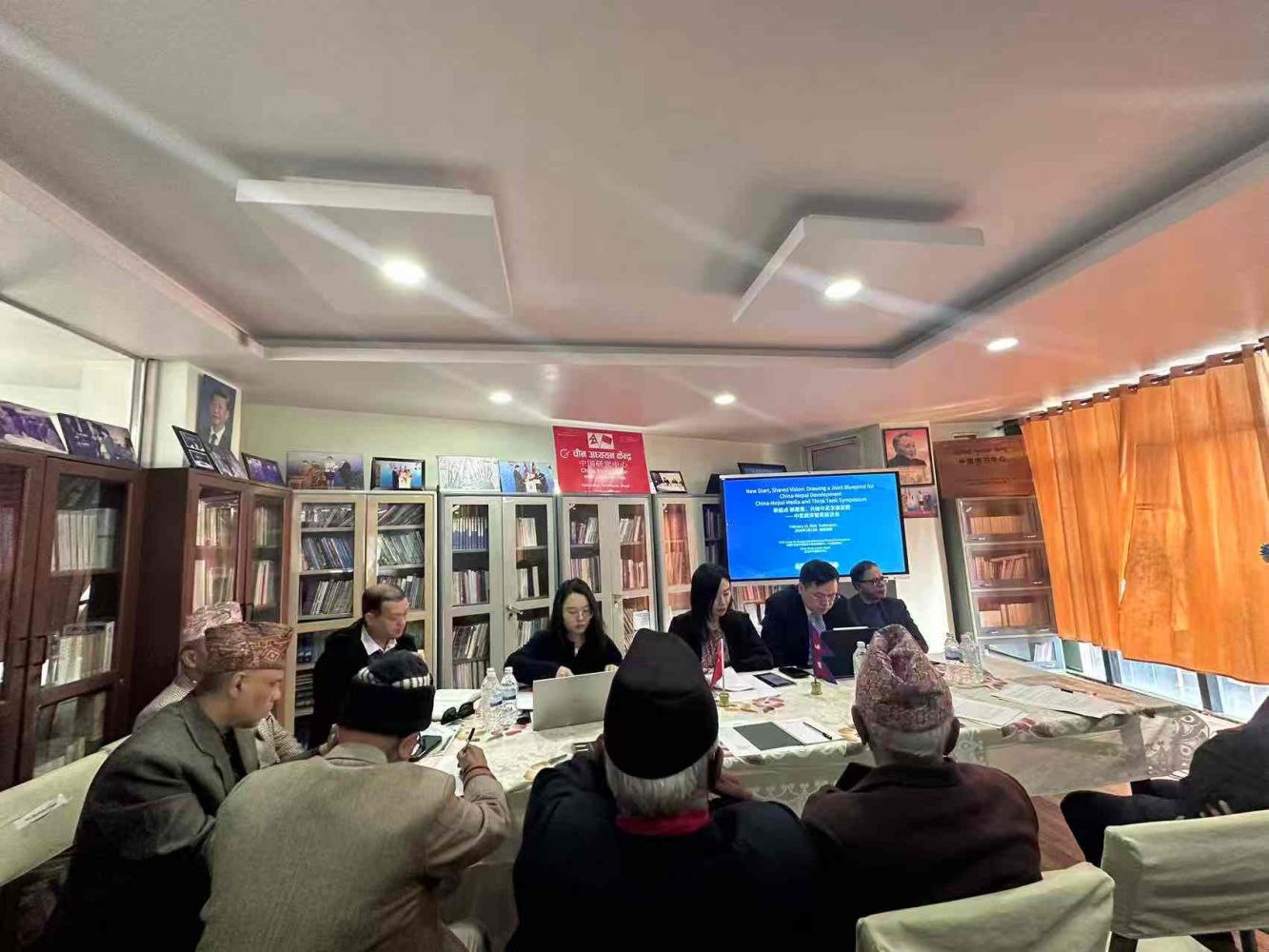
SATV, Kathmandu, Feb. 14 – A high-level interaction program aimed at strengthening the strategic partnership between Nepal and China was held in Kathmandu on Friday, bringing together policymakers, scholars, and a visiting Chinese media delegation to discuss a joint vision for future development.
The event, titled “New Start, Shared Vision: Drawing a Joint Blueprint for China–Nepal Development,” was organized by the China Study Center (CSC) and welcomed a delegation from China Pictorial, part of the China International Communications Group (CICG), Beijing. The Chinese delegation was led by Wang Shuo, Vice President of the CICG Center for Europe and Asia (China Pictorial Publications).
Discussions focused on reinforcing the historical ties between the two nations while navigating the complexities of a changing domestic and global political landscape.
Celebrating Historical Ties and Strategic Cooperation
In his welcome address, CSC’s Sundar Nath Bhattarai underscored the deep-rooted socio-cultural and civilizational links between Nepal and China. He marked the recent 70th anniversary of diplomatic relations, stating that the partnership is built on principles of peaceful coexistence, non-interference, and mutual respect.
Mr. Bhattarai praised China's developmental journey and its tangible benefits for Nepal in sectors like infrastructure and poverty alleviation. He reiterated Nepal's firm commitment to the One China Policy and called for the swift implementation of Belt and Road Initiative (BRI) projects, particularly the Trans-Himalayan Multidimensional Connectivity Network and cross-border railway links.
Concerns Over Domestic Instability and Foreign Policy
However, the program also served as a platform for expressing concern over Nepal's current political trajectory. Prof. Ganga Prasad Upreti described the nation's political situation following the formation of an interim government as "fragile and fluid." He warned that certain internal activities risk undermining Nepal's long-standing commitment to non-alignment and its consistent One China policy.
“Nepal’s foreign policy is guided by Panchasil and non-alignment. Any deviation from these principles may jeopardize our credibility and regional stability,” Prof. Upreti cautioned.
A Six-Point Roadmap for the Future
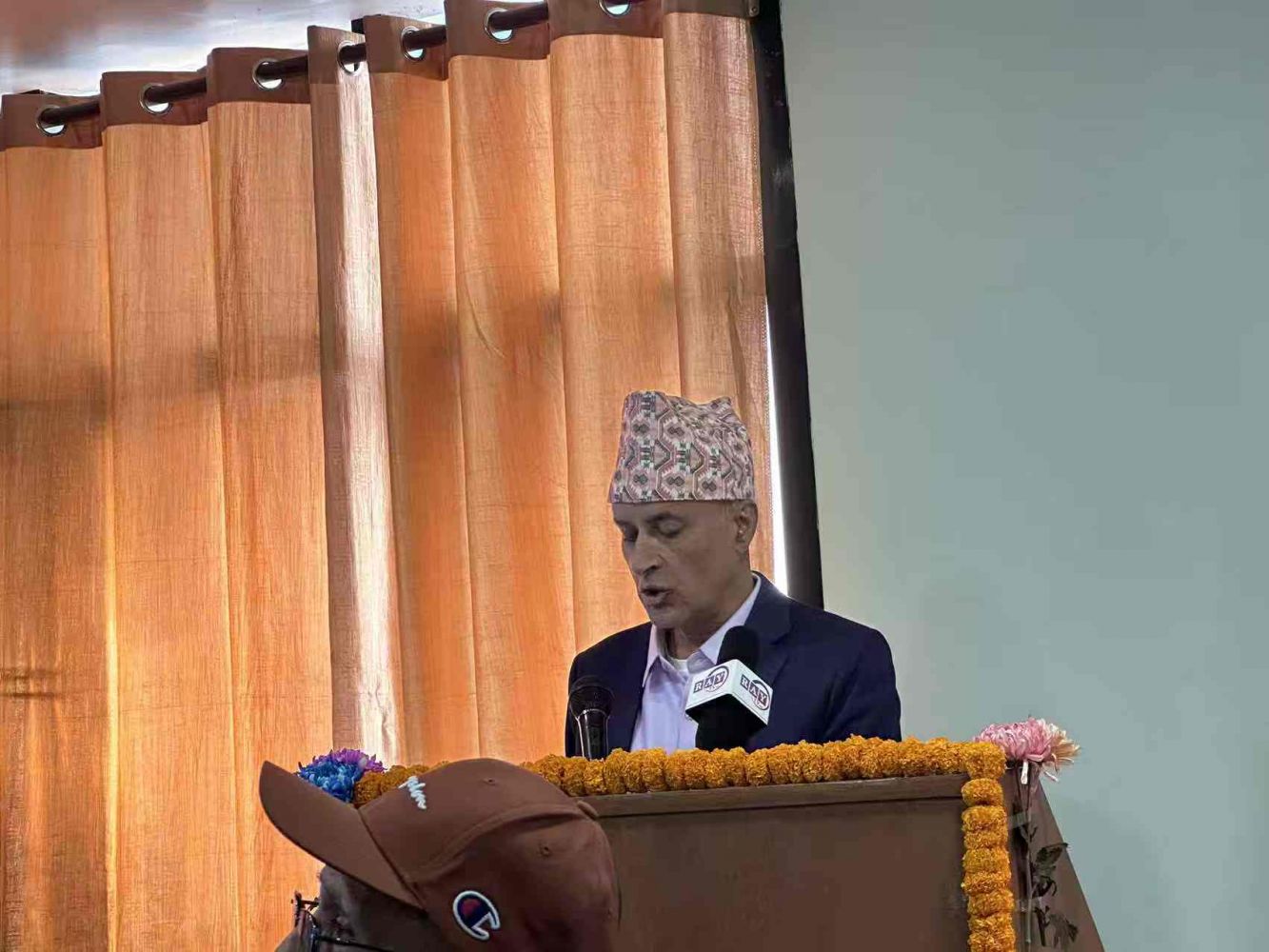
Delivering the keynote address, former Ambassador to China, H.E. Leelamani Poudyal, framed the bilateral relationship within a shifting global order. He stressed the role of think tanks in shaping informed discourse, especially as Nepal heads towards general elections scheduled for March 5, 2026.
Ambassador Poudyal presented a comprehensive six-point proposal to solidify the partnership. The recommendations included:
1. A Joint Blueprint: Creating a bilateral commission under the BRI framework to prioritize transformative connectivity projects.
2. Implementing Pending Agreements: Accelerating action on signed MoUs in key sectors like railways, trade, and energy.
3. Renewing the 1960 Treaty: Modernizing the Peace and Friendship Treaty to reflect contemporary realities.
4. Promoting People-to-People Exchanges: Boosting collaboration in academia, culture, and youth engagement.
5. Multilateral Cooperation: Coordinating approaches on regional and global issues in international forums.
6. Non-Reciprocal Trade Support: Addressing Nepal's trade deficit through technical facilitation and reduced non-tariff barriers.
He concluded by stating that Nepal must cultivate a relationship anchored in mutual trust with strategically recalibrated policies for trans-Himalayan peace and prosperity.
Commitment to Mutual Understanding
Wang Shuo, Vice President, CICG Center for Europe and Asia (China Pictorial Publications) appreciated Nepal's consistent adherence to the One China policy. She emphasized the vital role of media cooperation and people-to-people exchanges in deepening mutual understanding between the two countries and reaffirmed China's commitment to fostering stronger cooperation.
The program concluded with a vote of thanks from Prof. Dr. Mohan Prasad Lohani, who highlighted the importance of sustained intellectual dialogue for navigating Nepal-China relations during times of global transition. Participants expressed shared optimism that the partnership would continue to flourish as a model of harmonious coexistence.
Long live Nepal–China friendship.