




SATV, Kathmandu, Sept. 4: Nepal's major tourism destinations remain safe and open to international travellers despite severe damage caused by the August 26 Bhotekoshi River flash flood in Rasuwa and adjoining areas, tourism officials and entrepreneurs have said. The devastating flood caused extensive loss of life and damaged roads, hotels and other tourism-related infrastructure in Rasuwa, Nuwakot and Dhading districts. Nepal, a country nestled in the lap of the Himalayas, has never faced such a devastating calamity in the past, tourism entrepreneurs said.
The disaster has also raised concerns about the upcoming September tourism season, particularly following reports of foreign nationals missing in the affected areas and travel advisories issued by some countries. They, however, said the disaster was confined mainly to specific areas and should not create the impression that the entire country has been affected.
Binayak Shah, president of the Hotel Association Nepal (HAN), said it was important to provide international travellers with accurate and updated information about the situation and communicate that other tourism destinations across the country remain operational.
"The country has suffered huge humanitarian and financial losses. The tourism sector has also never faced such a situation, as hundreds of foreign travellers trekking in Rasuwa are missing. This has created confusion among foreign travellers planning to visit Nepal in September," said Shah.
He said the government should regularly disseminate information about rescue, relief and rehabilitation efforts and provide the international community with accurate information through international media and diplomatic missions.
"We are communicating with our agents in international markets and conveying the message that Nepal is safe for travel and that we can provide facilities to tourists in destinations other than Rasuwa and Nuwakot," Shah said. He urged the government and the Ministry of Foreign Affairs to take the initiative to inform the international community that most tourism destinations in Nepal remain safe and accessible.
Travel to some parts of Rasuwa, including Langtang and Gosaikunda, has been disrupted as roads, trails and other infrastructure were damaged by the flood. However, alternative routes and travel arrangements could be developed for destinations where possible.
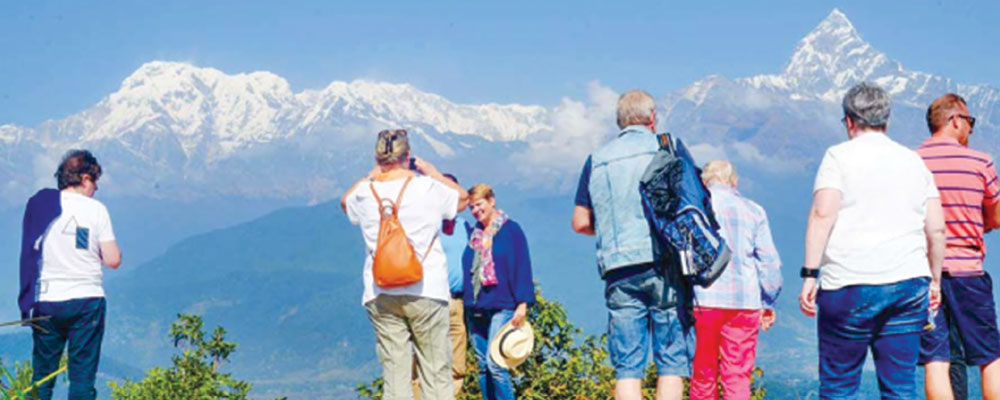
Foreign tourists can support Nepal’s recovery Senior Director of the Nepal Tourism Board (NTB) Mani Raj Lamichhane said there was no problem travelling to major destinations such as Lumbini, Pokhara, Chitwan, Sagarmatha and Annapurna despite the damage in Rasuwa and Nuwakot.
"Our airports are still operating, our mountains, trails and trekking routes are still open to you. The hotels are welcoming you with open arms. Travelling to Nepal at this time is not just a holiday; it is also a support," he said. “At a time when the country is seeking support from every corner of the world, foreign tourists visiting Nepal will not only enjoy their holidays but also support Nepal’s economy and its people,” he said.
Lamichhane said the government and NTB had started disseminating information internationally using various platforms to assure potential visitors that Nepal remained safe for travel. "Combined efforts from all concerned agencies, including the government, NTB and the private sector, are essential to the recovery of tourism in Nepal," he said.
Needs for publicity
The President of the Trekking Agencies Association of Nepal (TAAN), Sagar Pandey, also stressed the need for an international publicity campaign to convey the message that Nepal remains open for tourism.
"Definitely, the Bhotekoshi flood has damaged the overall ecosystem and severely affected normal life in the local areas. However, this is one segment of travel. We need combined efforts from the government and tourism entrepreneurs to promote our tourism activities and convey the message that Nepal is open for travel," said Pandey. He said trekking activities could continue by developing alternative routes where existing trails had been damaged.
However, Pandey expressed concern that the disaster could affect tourist bookings during the upcoming peak season as international travellers reconsider their plans to visit Nepal. "About 50 per cent of bookings for the Kailash trek have already been cancelled following the Bhotekoshi flood. I guess that overall 30 per cent of bookings might be cancelled for the upcoming season," he said. He said the recovery of the tourism sector would largely depend on efforts to communicate Nepal's actual situation to international markets.
Possibility for recovery
Lamichhane expressed confidence that Nepal's tourism industry would recover from the latest disaster, citing its experience of overcoming previous crises, including the Maoist conflict, the 2015 earthquake and the COVID-19 pandemic.
"Nepal's tourism sector has revived from the Maoist conflict, people's movement, earthquake and COVID-19 pandemic as well. We are committed to working hand-in-hand with the private sector to revive tourism from this devastating flood," he said.
The tourism sector, which was affected by last year’s Gen Z movement, has also been recovering rapidly. He said that the Ministry of Culture, Tourism and Civil Aviation and NTB have already begun the work to convey message and call for visit Nepal.
According to the Department of Tourism, around 582 foreign nationals were still missing in connection with the Bhotekoshi flood, while about 302 had been rescued as of Wednesday. The government has intensified its efforts to search for those missing in the flood.
The flood has also caused substantial losses to tourism infrastructure. Preliminary estimates put the loss to the tourism sector at around Rs. 50 billion. Around 142 hotels, 57 restaurants and 142 vehicles associated with tourism businesses were damaged, while religious and cultural heritage sites in the affected areas also suffered damage.
TAAN President Pandey said recovery efforts should focus on the affected destinations while simultaneously promoting other parts of Nepal that remain open and operational. HAN President Shah said tourism entrepreneurs were ready to work closely with the government to restore confidence in Nepal's tourism market and minimise the impact of the disaster on the upcoming tourism season.