




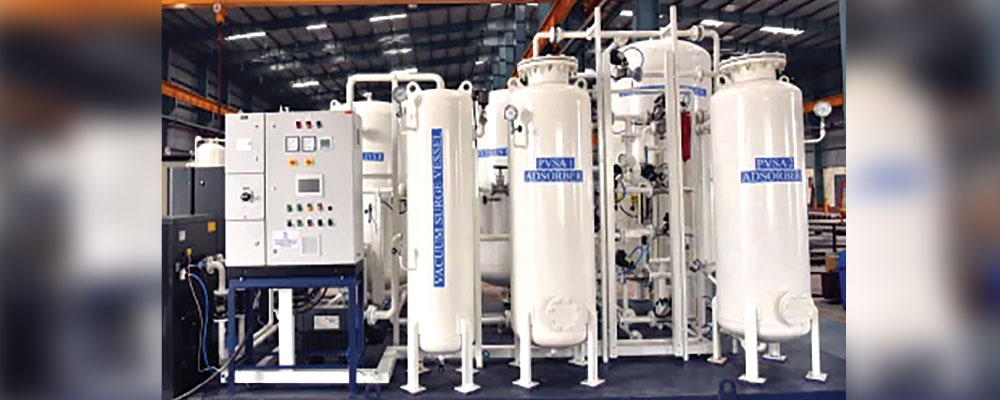
SATV, Kathmandu, Sept. 07 - During the time of COVID-19 pandemic, six oxygen plants in the Sunsari-Morang industrial corridor were operating at full capacity. As oxygen demand increased nationwide, production was expanded to ensure a smooth supply.
According to Pawan Sharda, operator of Binayak Oxygen Industry, the largest-capacity oxygen plant in the corridor, industries that once had the capacity to manage shortages are now facing serious difficulties. He said this had contributed to the current shortage of oxygen. According to Sharda, the government’s policy had become an obstacle to industries that had supplied oxygen across the country during the pandemic.
The Morang-Sunsari industrial corridor has Baba Oxygen, Binayak Oxygen, Maruti, Bhagwati-Bhajuratna, Durga and Himal Oxygen industries.
Binayak, which has a production capacity of 500 cylinders a day, has been shut for the past 15 days. Baba Oxygen, with a daily production capacity of up to 400 cylinders, has also been closed. The closure of the two largest producers has affected both the health sector and industrial activities.
Sharda said producing and selling oxygen was currently resulting in losses. He added that the plant had also been forced to shut after its main machinery and air-conditioning systems broke down.
According to him, traditional oxygen industries have been badly affected after the government allowed the installation of liquid oxygen plants. Liquid oxygen can be imported without customs duty and can be easily refilled into cylinders for use. However, he said traditional oxygen manufacturers did not enjoy similar facilities.
Health institutions have complained that the situation has worsened after Bhagwati-Bhajuratna, another oxygen producer, also shut its plant, citing equipment failure. The two medical colleges and teaching hospitals in Biratnagar, as well as other major hospitals providing specialised services, consume between 500 and 600 oxygen cylinders a day. Other hospitals also have significant demand for oxygen. Oxygen is also widely used in the industrial sector.
After the second wave of COVID-19 began, the government made it mandatory for hospitals with 100 or more beds to install oxygen plants. Many hospitals have made use of the provision.
The government also waived customs duties on the import of plants and equipment and provided loans at the base interest rate to industries installing liquid oxygen and oxygen plants.
Following the installation of liquid oxygen plants by hospitals, oxygen industries began cutting production. As running these large plants for only eight to 12 hours a day was causing losses, the industries reduced or stopped production, leading to an oxygen shortage.
On September 3, the local administration held discussions with oxygen producers over the shortage. Hospital operators, industrialists, officials from the Nepal Electricity Authority and other concerned agencies were invited to the meeting.