




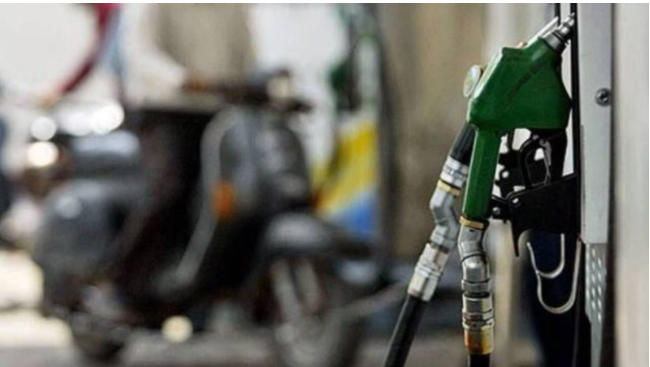
SATV, Kathmandu, Mar. 26 - Amid concerns of supply disruptions due to the West Asia war, the Centre has slashed excise duties on petrol and diesel. The excise duty on petrol has been slashed from Rs 13 to Rs 3 per litre and on diesel, the excise duty is now zero, down from the previous Rs 10. The reduced excise rate benefits could trickle down to customers soon. However, no formal announcement to slash the retail rates of fuel has been made yet nor is it clear yet how much would the reduction cost the Centre.
Minister for Petroleum and Natural Gas Hardeep Singh Puri said, “Government has taken a huge hit on it taxation revenues to ensure very high losses of oil companies (approximately 24 Rs/litre for petrol and 30 Rs/litre for diesel) at this time of sky high international prices are reduced. At the same time, export tax has been levied as international prices of petrol and diesel have skyrocketed and any refinery exporting to foreign nations will have to pay export tax.”
Finance Minister Nirmala Sitharaman said: “In view of the West Asia crisis, the central excise duty on petrol and diesel for domestic consumption has been reduced by Rs 10 per litre each.” She said the move will provide protection to consumers from rise in prices and they are protected from “vagaries of supply and costs of essential goods”.
What does reduction in petrol, diesel excise duty mean for you?
A reduction in excise duty on petrol and diesel means the government is collecting less tax per litre of fuel sold. This directly lowers the base price of fuel. For retail customers, this usually translates into cheaper prices at the fuel pump almost immediately, since fuel prices are closely tied to government-set tax components.
However, no announcement on any change in the retail price due to the excise duty cut has been made so far either by the government or oil marketing companies.
The impact of the reduction in excise duty of petrol and diesel could translate into macro-economic benefits. If the base price of fuel comes down, transportation would be cheaper, which would eventually bring down the cost of goods and services.
Timing crucial
The timing of the excise duty cut is crucial. This comes amid concerns over reports of fuel supply running low in some regions. OMCs have, however, assured there is no fuel shortage and panic is unfounded. “Fuel supplies across the country remain normal and fully available, and there is no shortage. We urge everyone not to be misled by rumours or misinformation and to continue with regular refuelling patterns,” Bharat Petroleum said on Thursday.
Addressing reports of panic-induced hoarding of petrol and diesel, BPCL warned that storing or transporting fuel in bottles, drums, or loose containers is unsafe and poses serious fire hazards.
Indian Oil, too, assured that all its retail outlets are fully operational, and LPG distribution continues as normal. “There is no shortage of fuel or cooking gas,” the OMC said.