




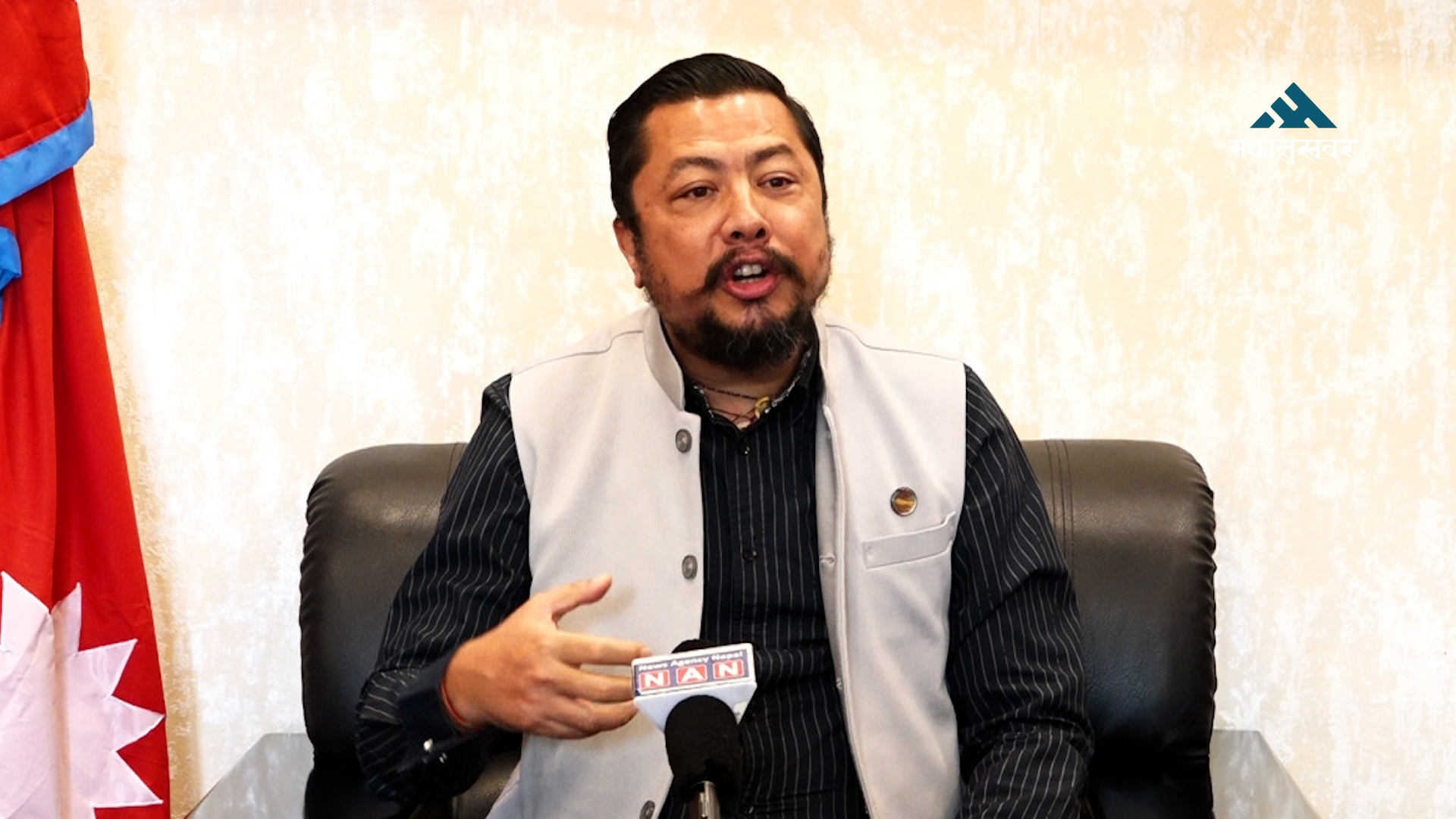
SATV, Kathmandu, Oct.11- Nepal has developed a weather forecasting system capable of predicting weather conditions up to seven days in advance, expanding the country’s previous forecasting capacity of three days, Energy, Water Resources and Irrigation Minister Biraj Bhakta Shrestha has said.
Shrestha said the government was also working to strengthen the sustainability of systems that continuously monitor river water levels, as part of efforts to improve early warning services and disaster preparedness.
The minister said that shortly after assuming office, he initiated a study into the potential impacts of a developing “Super El Niño” phenomenon in the Pacific Ocean and provided an assessment of its possible implications.
“When our ministry took responsibility for hydrological and meteorological forecasting, we knew from the outset that our forecasting technology could only predict conditions up to three days ahead. This time, however, we have developed a system capable of forecasting up to seven days in advance,” he said.
Highlighting changes in rainfall patterns linked to climate change, Shrestha stressed the need to make weather forecasting more effective and reliable.
He said developing early warning systems alone was not enough to reduce disaster risks.
Public awareness, precautions following warnings and regular disaster preparedness drills at the local level were equally important.
The minister also pointed out that recent floods had swept away equipment installed to measure and monitor river levels, underscoring the need for more durable technology in vulnerable locations.
Referring to damage caused during the Rasuwa floods, he said monitoring infrastructure in areas including Timure and Betrabati had been destroyed.
He stressed that the durability of equipment must be considered when installing it in high-risk locations.
“The previous floods swept away our river-level monitoring technology. We now need to consider which technologies should be installed in which locations and how to make them more durable. The equipment in Timure was swept away, as was equipment at another location, and the one in Betrabati was also destroyed,” Shrestha said.
Despite these challenges, he said early warning systems had worked effectively in some downstream areas, helping alert communities to potential flood risks in settlements including Majhuwa, Bharatpur and Susta.
Shrestha also called for Nepal to develop a culture of regular disaster preparedness drills, similar to those practised in Japan.
He said the 2015 earthquake, floods in areas such as Melamchi and unusually intense rainfall events in recent years had demonstrated the importance of making disaster preparedness a routine practice.
“Alongside developing the systems, we must also strengthen public awareness and establish a culture of conducting disaster preparedness drills,” he said.
According to the minister, integrating early warning systems, public awareness campaigns, regular preparedness exercises and coordination among local authorities would help minimise the loss of life and property during disasters.
He emphasised that the government must continue improving weather forecasting and river-level monitoring while strengthening overall disaster preparedness to reduce the impact of floods and other natural hazards.