




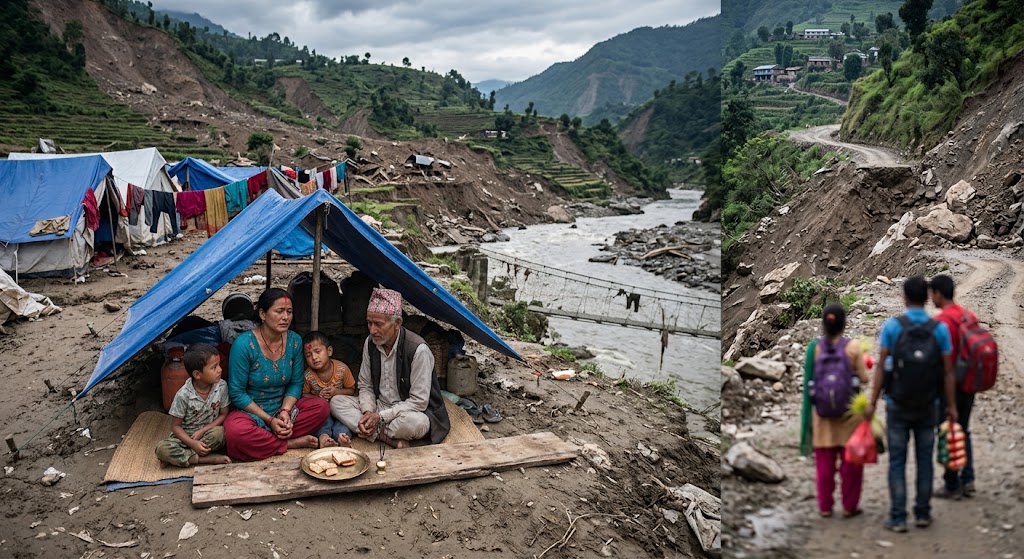
SATV, Kathmandu, October.16- Dashain has arrived. Markets are bustling with activity, jamara (sacred barley shoots) have been planted in homes, and families are busy preparing for the festival. While some rush to buy new clothes, others are gathering ingredients for festive meals. Those living away from home for work or education are preparing to return to their villages to receive tika and blessings from their elders. Yet this year,the joy of Dashain is far from the same for everyNepali.
For some, Dashain is a time of family reunions and celebration. For others, it has become a painful reminder of loss—a time to remember what they once had and struggle to hold back their tears. In some places, landslides have blocked the roads leading home. Elsewhere, floods have swept away entire courtyards and homes. Some families still have their houses standing, but the roads leading to them are gone. For many, floodwaters and landslides have taken away their homes, farmland, and years of hard-earned savings, leaving them with little or nothing to celebrate.
Dashain has arrived on the calendar, but for thousands of families affected by natural disasters, the light of happiness has yet to reach their hearts.
When the Road Home Disappears
Persistent rainfall, floods, landslides, and damage to road infrastructure have made travel during this year's Dashain particularly difficult. In several areas of Nuwakot and Rasuwa, especially those affected by flooding along the Trishuli River, disrupted road connections have left travellers struggling to return home for the festival.
Many who had planned to celebrate Dashain in their villages have been forced to postpone or abandon their journeys. Public transportation services remain disrupted in several areas, preventing passengers from reaching their destinations. Some roads are too dangerous to travel, while in other places, floods have washed away bridges and entire sections of road infrastructure.
Although some travellers have attempted to reach their destinations through alternative rural roads, access remains impossible in many locations. Temporary crossings, including Bailey bridges, ropeways, and makeshift footbridges, have been installed at various points along the Trishuli River. However, these temporary alternatives have not ensured safe and convenient passage for everyone.
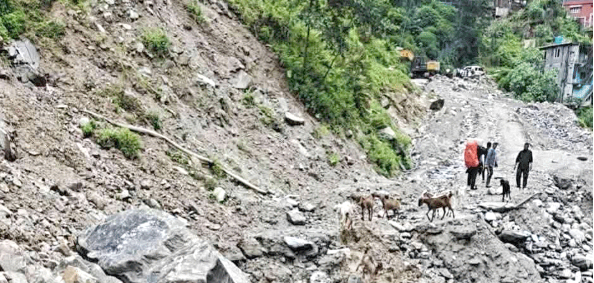
For travellers carrying the hope of reaching home to receive tika, seek blessings from their elders, and share the joys and sorrows of life with loved ones, blocked roads represent more than a physical obstacle. They also mean the loss of precious moments with family.
Those unable to return home this Dashain have little choice but to find comfort in seeing their families through mobile phone screens. Meanwhile, relatives waiting at home continue to hope that their loved ones will somehow make it back for the festival.
No Home, No Farmland—Where Can They Celebrate Dashain?
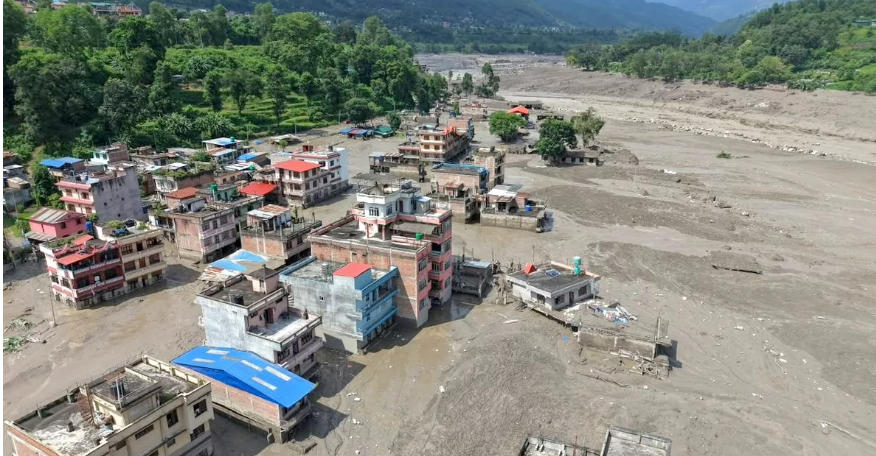
The greatest suffering has fallen upon those whose very foundations of life have been taken away by natural disasters. Some have lost their homes, others have watched their farmland buried beneath landslides, while many have seen their fields covered in thick layers of mud and debris. For families who have lost homes built through years of hard work, land that sustained their livelihoods, and possessions accumulated through decades of sacrifice, the meaning of Dashain has changed entirely.
Traditionally, Dashain is a time to clean and repaint homes, sweep courtyards, buy new clothes, and prepare delicious meals for family members. But when a house no longer exists, where is there to clean or repaint? When farmland has been washed away, how can families secure their food supplies? And after losing years of savings and property, what resources remain to cover even the basic expenses of the festival?
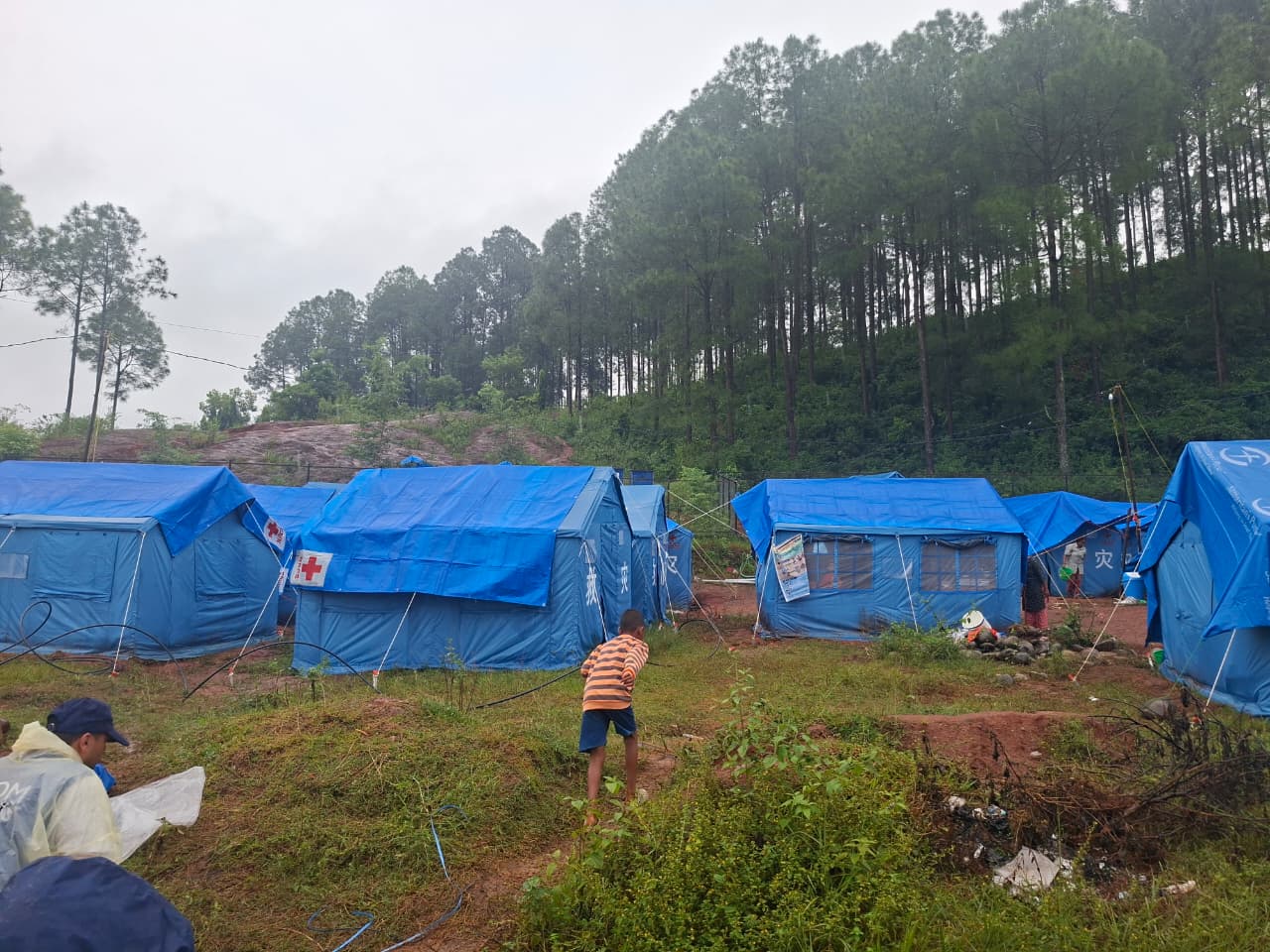
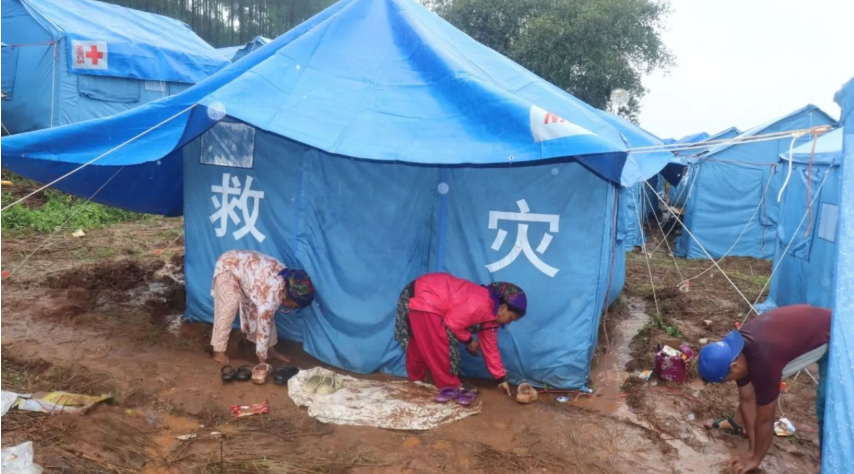
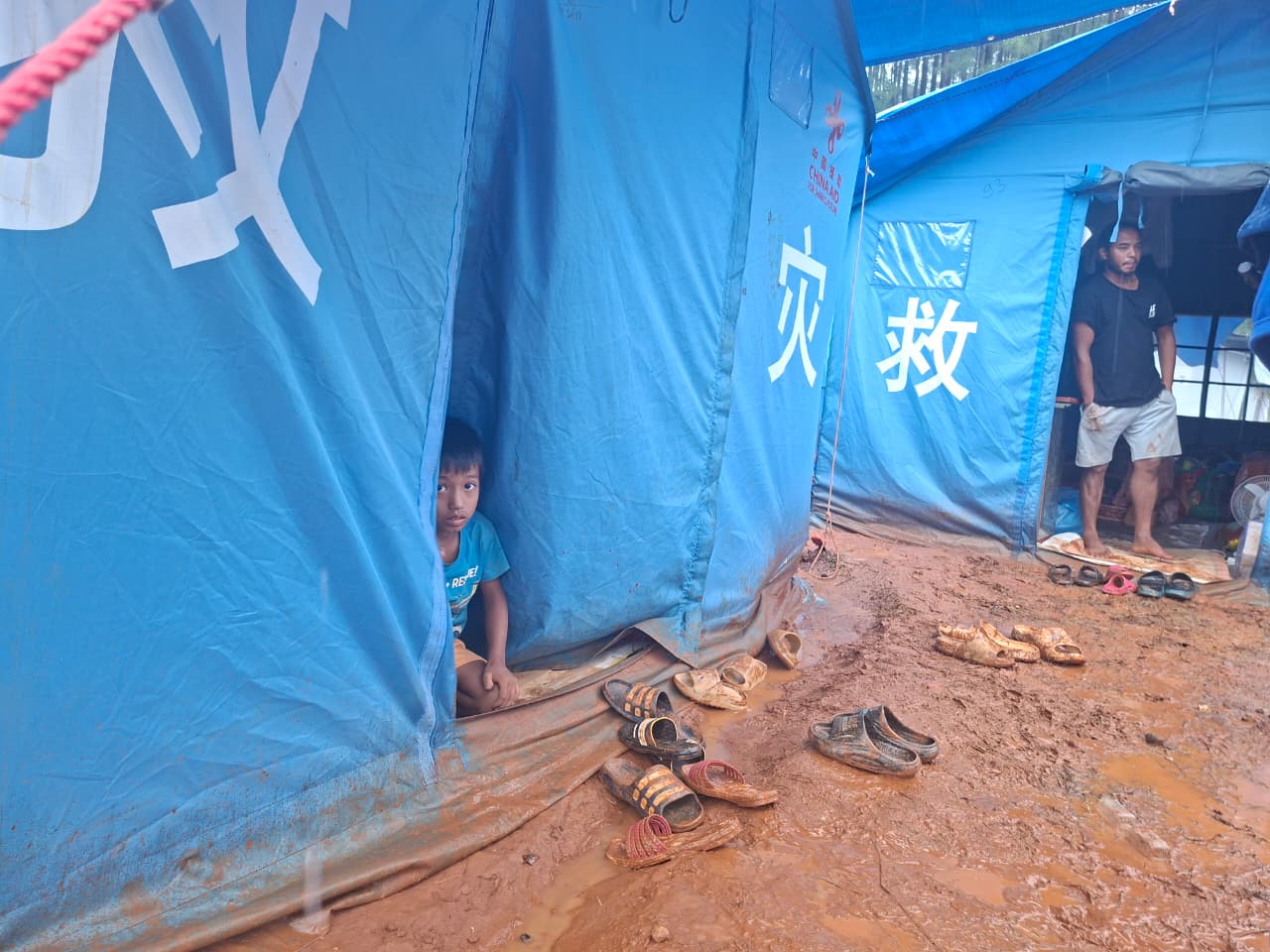
Today, many disaster-affected families are taking shelter in temporary holding centres and tents. For them, preparing for Dashain is no longer about buying new clothes or sweets. It is about finding enough food to survive another day and securing a place to sleep through the night.
Relying on government relief and whatever little money they have left, these families are trying to observe Dashain, even if it means celebrating beneath temporary tents. They remember their relatives, neighbours, and loved ones, attempting to find moments of comfort amid their suffering.
Yet there is a profound difference between celebrating Dashain inside a tent and celebrating it in the courtyard of one's own home. A tent may provide shelter from the rain, but it cannot erase the memories of a lost home. Relief supplies may help put food on the table for a few days, but they cannot immediately restore washed-away farmland, destroyed houses, or a future left in ruins.
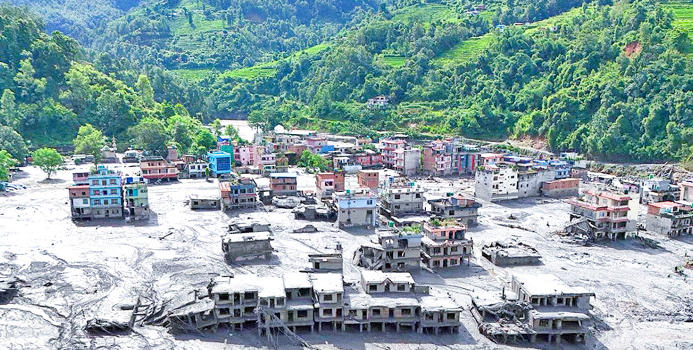
For this reason, Dashain has become a festival marked more by deprivation, painful memories, and uncertainty than by happiness for many disaster-affected families.
From the Kali Gandaki to the Marsyangdi, the Pain Remains the Same
The devastation witnessed along the Trishuli and Bhotekoshi rivers is not confined to those regions. Torrential rainfall and flooding in the Kali Gandaki River basin have also caused extensive damage in several areas. Floodwaters have swept away bridges and damaged sections of roads, disrupting transportation along the Kali Gandaki Corridor.
The damage has affected travel and everyday life in Mustang, Manang, and the northern parts of Myagdi. With roads and bridges damaged, travellers, local residents, and communities dependent on the transportation of goods have all been affected.
Road closures have disrupted the supply of essential commodities, local businesses, and tourism activities. At a time when people would normally be travelling to reunite with family, return to their villages, or transport goods needed for the festival, these disruptions have taken much of the festive spirit out of Dashain.
The situation along the Marsyangdi River Corridor in Manang is equally challenging. Flooding has damaged areas including Talgaun, disrupting local life and livelihoods. Damage to roads and structures along the riverbanks has created additional obstacles to transportation and everyday survival.
Floods and landslides have affected communities across multiple districts, stretching from Rasuwa, Nuwakot, Gorkha, Dhading, and Tanahun to Chitwan and Nawalparasi. Parbat, Baglung, and other districts have also suffered damage. In some places, entire settlements have been affected; in others, roads, bridges, and productive agricultural land have been destroyed.
Although these stories come from different geographical locations, the suffering is strikingly similar. In one place, a river has swept away a bridge. In another, a landslide has buried a road. Some travellers cannot reach their homes, while families waiting at home have lost the ability to welcome their loved ones.
Natural disasters have not merely divided landscapes. They have also separated family members from one another.
Relief May Fill Empty Stomachs, But How Can It Heal Their Pain?
Government relief is an immediate necessity for disaster-affected families. Temporary shelters, food supplies, clothing, and healthcare are essential to protecting lives and meeting their most urgent needs. However, alongside the distribution of relief materials, the question of long-term rehabilitation and recovery is equally important.
Families who have lost their homes must be able to return to safe housing. Damaged roads and bridges need to be rebuilt. Losses to agricultural land must be assessed, and the foundations of people's livelihoods must be restored. Without these efforts, life cannot return to normal for those affected.
Providing relief during festivals is a humanitarian responsibility. But ensuring that disaster victims are not forced to spend another Dashain living in tents requires reconstruction and rehabilitation to be treated as urgent priorities.
The state's responsibility does not end with providing a limited amount of financial assistance after a disaster. It is equally essential to create conditions that allow affected families to rebuild their lives and stand on their own feet again.
This year's Dashain has raised several serious questions for the state. How quickly will roads, bridges, and settlements be reconstructed? When will families who have lost their homes be able to return to safe and secure housing? How will the future of those who have lost their livelihoods be protected?
The answers to these questions must be found not merely in the immediate distribution of relief, but in effective, long-term plans for rehabilitation and recovery.
A Celebration for Some, a Day of Hidden Tears for Others
Dashain is a festival shared by Nepalis across the country. It brings families together, reunites those separated by distance, and offers an opportunity to set aside sorrow and share happiness. Yet for families whose lives have been transformed by disaster, the same festival can deepen their sense of deprivation, separation, and loss.
As shoppers fill the markets in cities, a mother sitting inside a temporary tent may be remembering the home that floodwaters swept away. A traveller unable to return to the village may be trying to find comfort by looking at the faces of their children on a mobile phone. A farmer whose fields have been buried beneath debris may be consumed by the question of how to feed the family in the coming year, with the uncertainty of tomorrow weighing more heavily than tika and jamara.
Even amid such suffering, people have not given up. Making the most of whatever resources remain, remembering their loved ones, and comforting one another, they are trying to celebrate Dashain in whatever way they can.
This human resilience is a source of hope amid disaster. However, people's ability to endure hardship must never become an excuse for the state to evade its responsibilities. The fact that disaster victims continue to persevere does not make their suffering any less serious.
Festive greetings and expressions of sympathy must go hand in hand with concrete commitments to rehabilitation, safe housing, and reliable transportation.
This year, Dashain has not arrived in every home in the same way. In some courtyards, the air is filled with the joy of tika and jamara. Beneath temporary tents elsewhere, families are simply searching for the comfort of being together. Some roads have brought loved ones home, while others, broken and impassable, have kept families apart.
The date of Dashain has arrived. Markets are bustling, and temple bells continue to ring. But for those whose homes, farmland, and opportunities to reunite with loved ones have been taken away by floods and landslides, time seems to have stood still in the aftermath of disaster.
There is a difference between Dashain arriving on the calendar and Dashain arriving in the heart.
For some, it is a festival of shared happiness. For others, it is a day of concealing tears while remembering a world they have lost.
For many Nepalis affected by this year's floods and landslides, Dashain has been written in the language of pain.